Underbrush Clearing Timing and Benefits
Underbrush clearing involves removing dense vegetation, shrubs, and small trees to improve land management, fire safety, and habitat conditions. Timing is critical to maximize effectiveness and minimize environmental impact.
Late winter and early spring are ideal for underbrush clearing, as vegetation is less dense and soil moisture levels are manageable, facilitating easier removal.
Dry weather reduces soil compaction and erosion risks, making these periods suitable for clearing activities.
Clearing before the peak growing season prevents regrowth and reduces the need for repeated work.
Late winter and early spring are best to reduce fire hazards before the dry summer months.
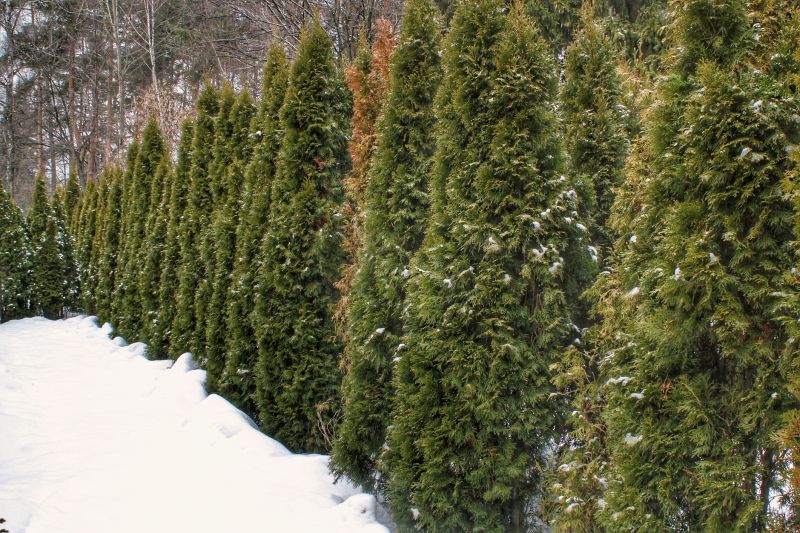
Image depicting land being cleared during late winter, showing dormant vegetation.
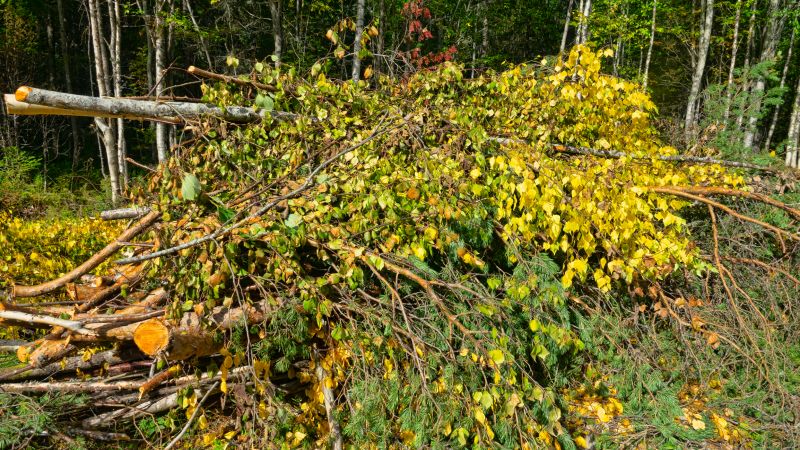
Image of early spring clearing with fresh growth in the background.
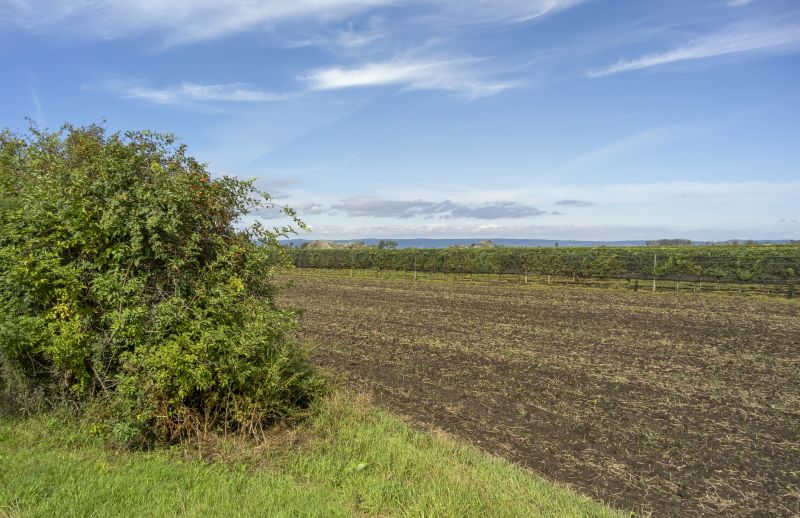
Image showing clearing activities during dry summer months.

Ways to make Underbrush Clearings work in tight or awkward layouts.
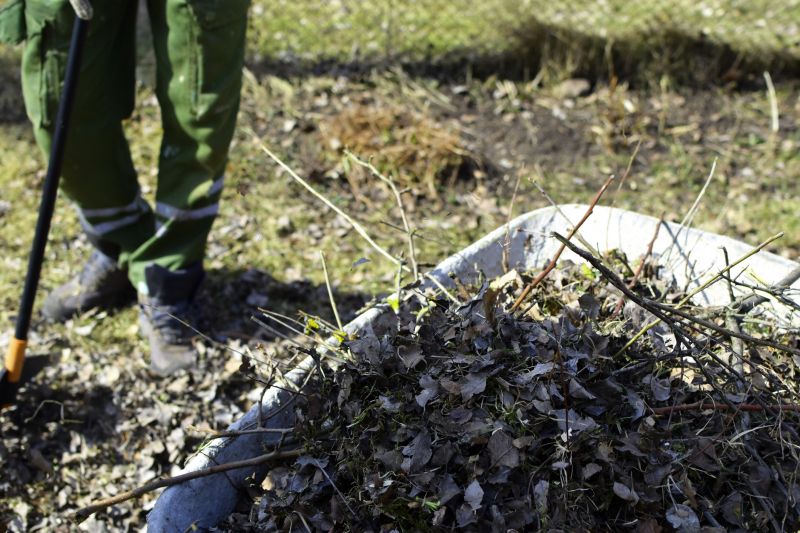
Popular materials for Underbrush Clearings and why they hold up over time.
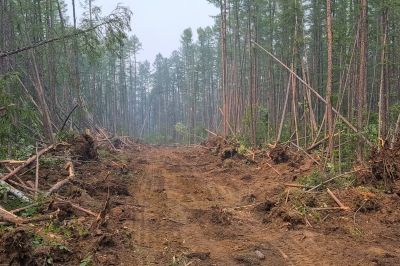
Simple add-ons that improve Underbrush Clearings without blowing the budget.
| Season | Best Practices |
|---|---|
| Winter | Ideal for dormant vegetation removal; soil moisture manageable. |
| Spring | Prevents regrowth; supports wildlife nesting considerations. |
| Summer | Suitable during dry periods; fire risk reduction. |
| Fall | Less preferred due to increased regrowth potential and wildlife activity. |
Underbrush clearing is a vital land management activity that enhances safety, accessibility, and habitat quality. Proper timing ensures the process is efficient and minimizes ecological disturbance. Regular maintenance during optimal periods can prevent overgrowth and reduce fire hazards, especially in fire-prone areas.
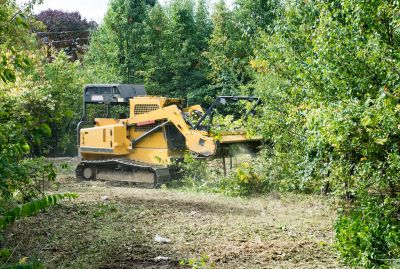
Image of machinery used for underbrush removal.
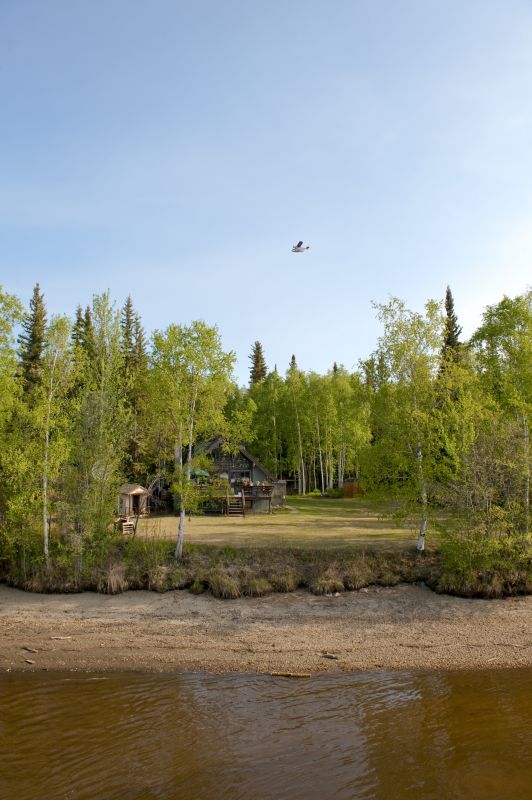
Image showing cleared land ready for use.
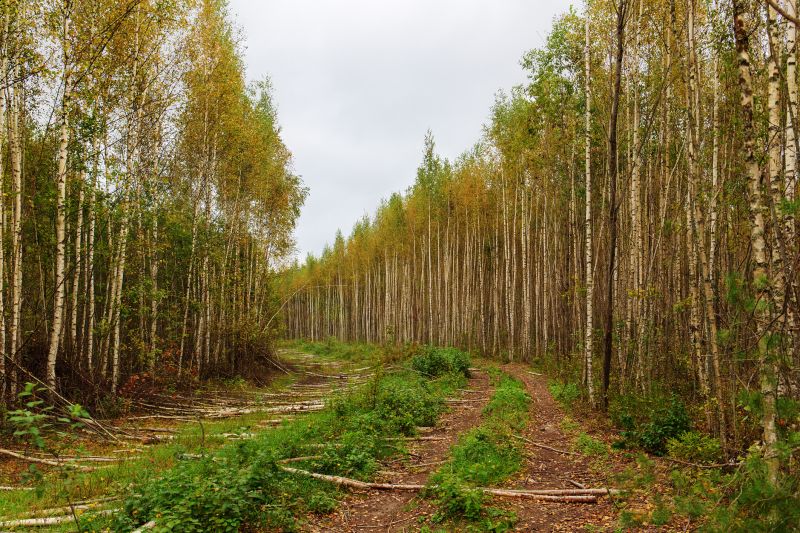
Image demonstrating the impact of clearing on fire safety.
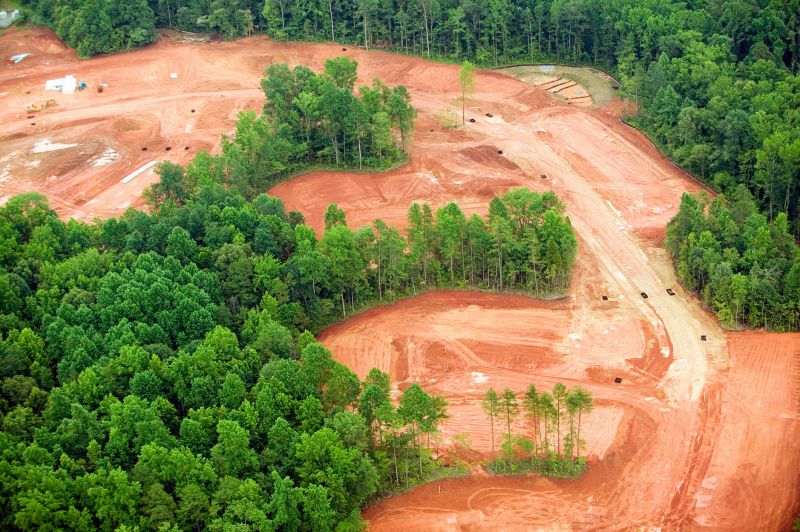
Image depicting habitat improvement after clearing.

High-end options that actually feel worth it for Underbrush Clearings.
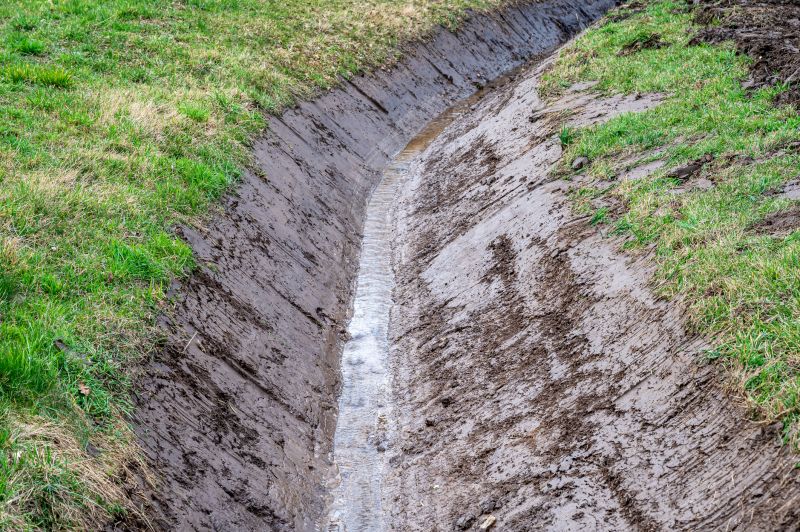
Finishes and colors that play nicely with Underbrush Clearings.

Little measurements that prevent headaches on Underbrush Clearings day.
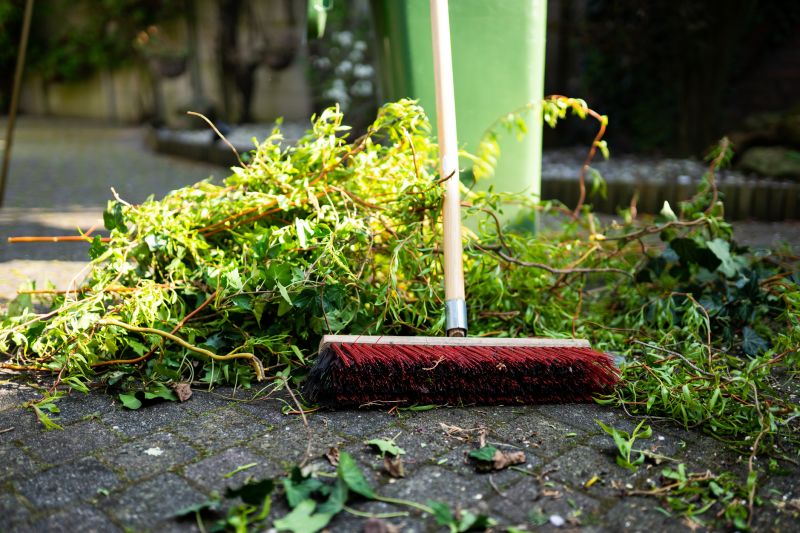
A 60-second routine that keeps Underbrush Clearings looking new.
Interested in scheduling underbrush clearing for land management, fire safety, or habitat improvement? Fill out the contact form to explore options and plan the optimal timing for specific needs.